
Animal vs. Plant Protein: What’s Best for Cystic Fibrosis?
by Kay Vavrina, RDProtein plays a critical role in CF, from maintaining muscle mass to supporting immune function and overall health. When it comes to animal vs. plant protein, which is the better choice?
The answer isn’t as simple as picking one over the other. Let’s break it down.
Animal Protein: Complete and Efficient
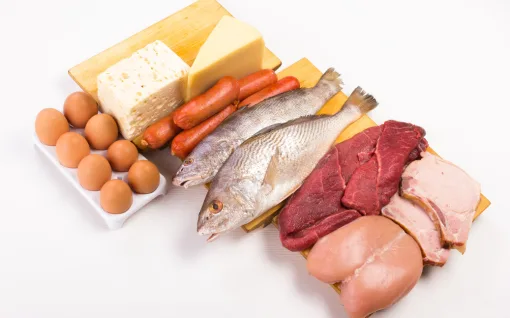
Animal-based proteins include foods like:
- Meat (beef, chicken, pork)
- Fish and seafood
- Eggs
- Dairy products (milk, yogurt, cheese)
These proteins are considered “complete proteins”, meaning they contain all nine essential amino acids your body needs.
Why this is important for CF:
- Supports muscle maintenance and growth
- Helps meet higher protein needs more efficiently
- Often more calorie-dense (helpful for those needing weight gain)
Animal protein is a highly effective way to meet protein needs, especially when appetite is low.
Plant Protein: Nutrient-Rich and Versatile
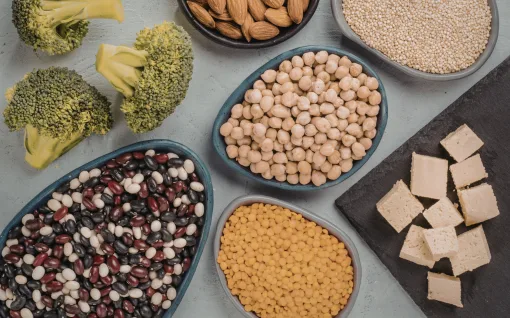
Plant-based proteins include:
- Beans and lentils
- Chickpeas
- Tofu and tempeh
- Nuts and seeds
- Whole grains (like quinoa)
Most plant proteins are “incomplete” on their own, but combining different sources (like rice + beans or peanut butter on bread) provides all essential amino acids.
Why this is important for CF:
- Provide fiber, which supports gut health
- Contain beneficial compounds like antioxidants
- Can add variety and balance to meals
You don’t need to combine proteins perfectly at every meal. Variety over the day is enough.